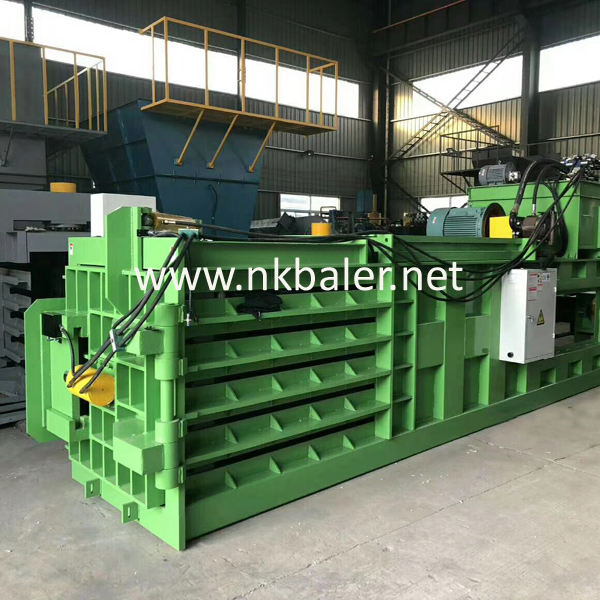
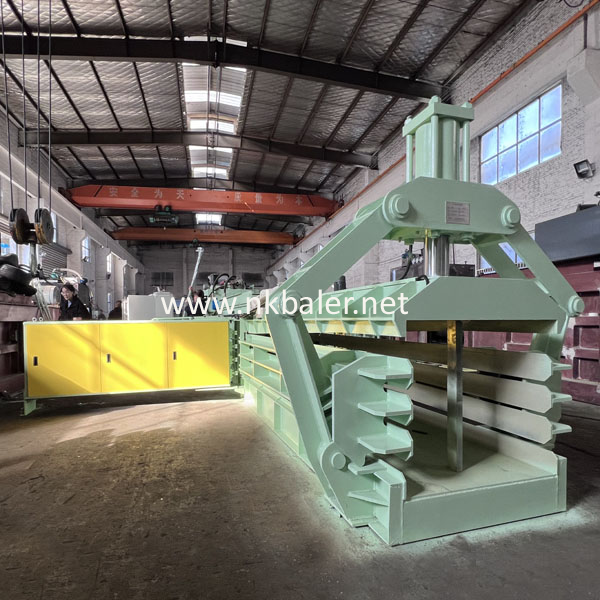
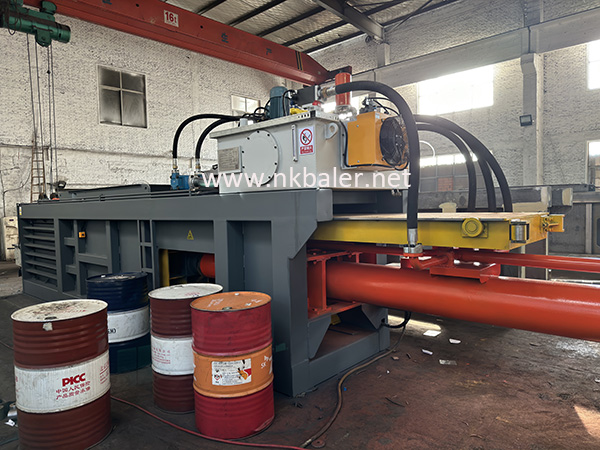
Plastic baling machines are widely used in the commercial and industrial sectors for packaging and sealing various products.From manual operations to fully automatic machinery,plastic baling machines have become an important component of the packaging industry due to their diversity and convenience.However,there is a significant price difference in the market for plastic baling machines,mainly depending on the type,functionality,and performance of the baler.The following will provide a detailed analysis of the factors affecting the price of plastic baling machines:Category and Technical Features of baling Machines Manual vs.Automatic baling Machines:Manual baling machines are usually cheaper and suitable for occasional or small-scale baling needs.Automatic baling machines,on the other hand,are more expensive due to their efficiency and typically larger baling capacity.For example,some fully automatic intelligent baling machines are equipped with advanced sensors and control systems.Technical Performance:The level of technological advancement is also an important factor in price.For instance,baling machines with high-precision sensors and programmable controllers can provide more accurate baling results and therefore are priced higher.Market Supply and Demand Demand:An increase in demand,such as the rapid development of e-commerce platforms,leads to a corresponding increase in demand for automatic baling machines,which may result in price increases.Supply Situation:The number of suppliers and their production capacity also affect prices.If there are multiple suppliers in the market that can provide high-quality equipment,competition may drive prices down.Manufacturing Costs Material Costs:Fluctuations in the prices of raw materials required for manufacturing baling machines,such as metals and plastics,directly affect manufacturing costs and thus final selling prices.Technology Costs:Developing new technologies requires corresponding investment,and this cost is also reflected in the product price.Sales Channels and Their Impact Direct Sales vs.Intermediary Sales:Buying directly from the manufacturer is usually cheaper,while purchasing through third-party sales channels may result in higher prices due to increased intermediary links.Regional Differences:Sales costs and taxes in different regions also affect the final selling price.Brand and After-sales Service Brand Effect:Well-known brands are usually more expensive because of their reputation and quality assurance.After-sales Service:Brands that offer high-quality after-sales service might charge slightly more for their products due to increased service costs.
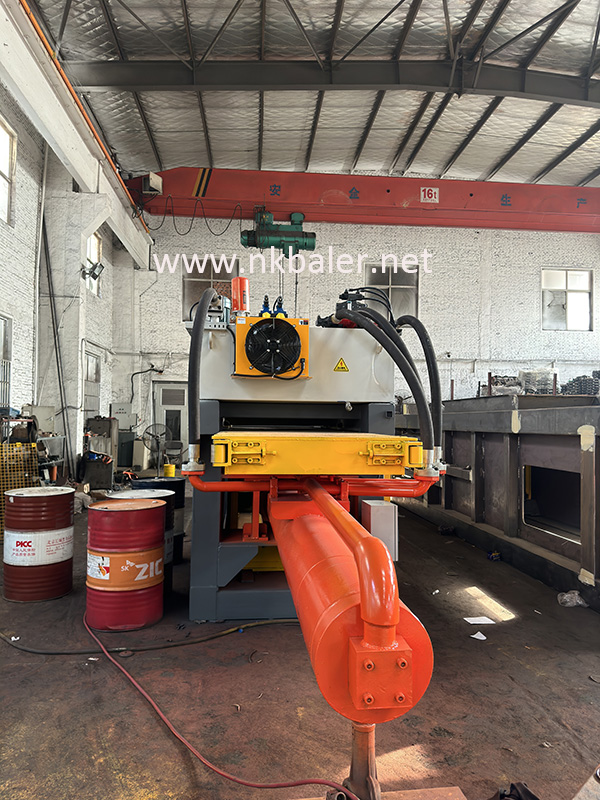
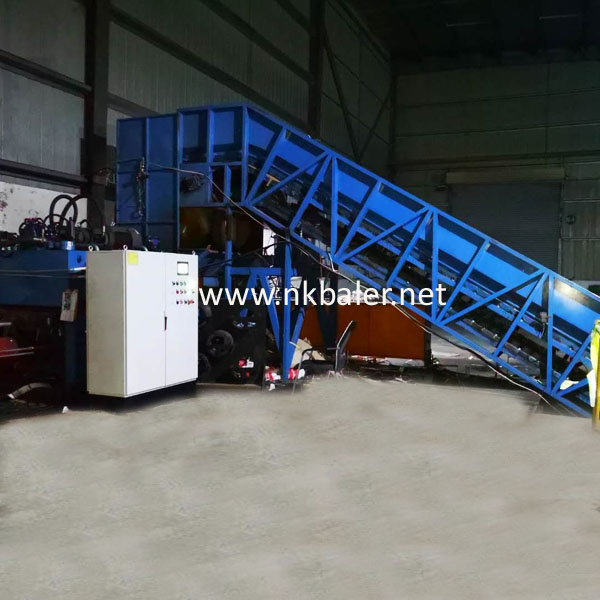
The plastic woven bag baler is widely popular in the recycling and packaging industries due to its compact structure,simple operation,and high work efficiency.This equipment achieves efficient baling operations through a series of exquisite designs and features,greatly enhancing work efficiency.A specific analysis is as follows:Compact Structure:The plastic woven bag baling machine is designed to be compact and occupy minimal space,making it suitable for use in environments with limited space.This structure not only saves factory space but also facilitates flexible movement and rearrangement of the equipment.Simple Operation:The baler's operating interface is user-friendly,easy to understand,and operate,allowing staff to quickly get started.This user-friendly design reduces training costs and time,improving production efficiency.Height Adjustment:Newer models of plastic woven bag balers are equipped with height adjustment mechanisms that can be freely adjusted according to the operator's height and work requirements.This design addresses the issue of non-adjustable heights in traditional balers,offering a better user experience and convenience.Folding and Pressing:Some models of balers are equipped with auxiliary baling mechanisms such as folding plates and pressing plates,which can fold and press fluffy plastic woven bags,thereby significantly improving baling efficiency and effectiveness.Hydraulic Drive:Plastic woven bag balers often utilize hydraulic drive systems,where a high-pressure oil pump injects hydraulic oil into the cylinder,pushing the piston to generate high pressure,thus achieving compression of waste plastics.This driving method ensures powerful output and stable performance.High Degree of Automation:Some advanced balers are equipped with automatic bundling functions that automatically use high-strength quenched wire or plastic packaging straps to tighten the bales during the baling process,reducing the need for manual operation and improving baling speed and quality.Wide Applicability:Plastic woven bag balers are not only suitable for plastic woven bags but can also be used for baling a variety of light,loose materials such as cotton,wool,waste paper,fabric,etc.This wide range of applicability makes it an indispensable production equipment for various industries.
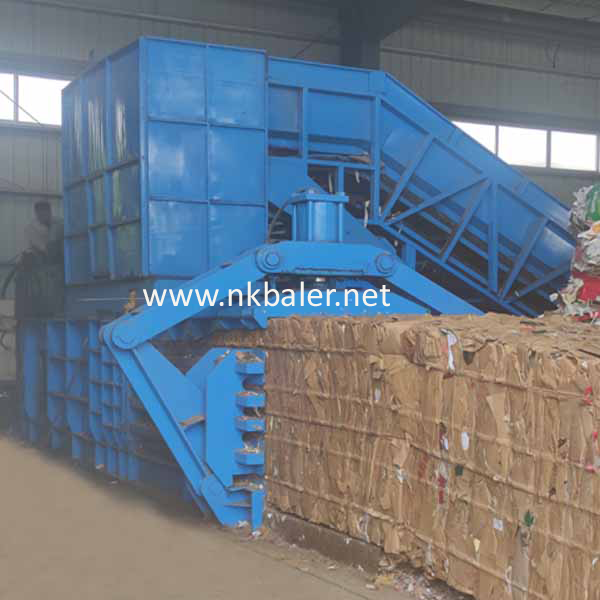
The convenience of the plastic woven bag baler is reflected in its compact structure,simple operation,efficient workflow,and wide application range.These advantages have made this equipment widely used in various industries requiring baling operations and have received high praise from users.When selecting and using this equipment,fully considering actual needs and working environments can effectively enhance work efficiency and reduce transportation costs.
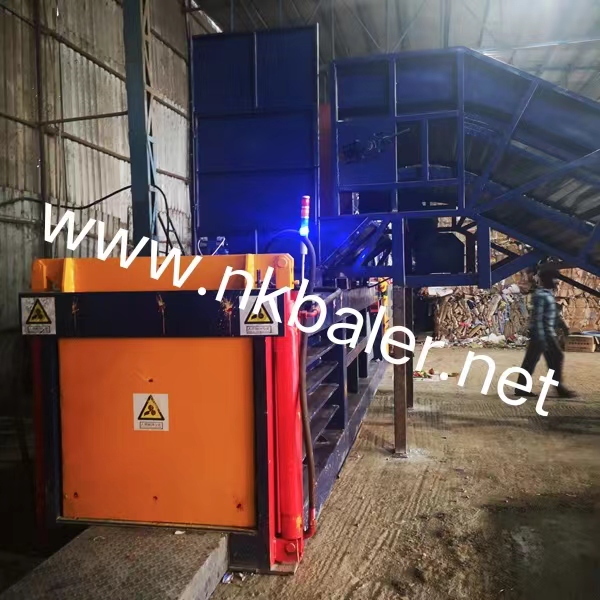
Filling with New Oil Refuel:Use a funnel to add new hydraulic oil into the tank through the oil port,ensuring the oil level reaches the specified mark line.The choice of hydraulic oil should meet the specifications and models recommended by the equipment manufacturer.Circulation Test Run:After refueling,start the hydraulic baling press and let it run under low load for a few minutes to fully circulate the new oil in the system while observing the oil level in the tank and whether there are any leaks at the pipeline connections.Check and Adjust Adjust Pressure:After refueling and the initial run,check and adjust the pressure of the hydraulic system to ensure it is within the normal range.Make adjustments according to the equipment manual if necessary.Monitor Operating State:After completing the oil change and adjustments,closely monitor the operating state of the hydraulic baling press for any abnormal sounds,odors,or other issues to confirm the equipment has returned to normal operation.Record and Maintenance Record Oil Change Information:Detailed records of the oil change date,oil specification,amount of oil changed,etc.,are very helpful for future maintenance and care.Regular Checks:Even after completing the oil change,regular inspections and maintenance of the hydraulic baling press should be conducted to ensure the system's cleanliness and good operating condition.
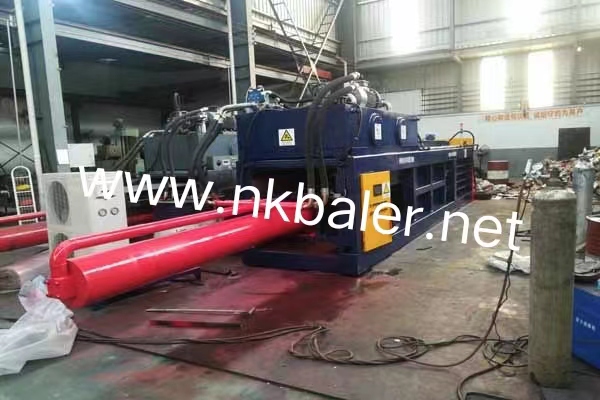
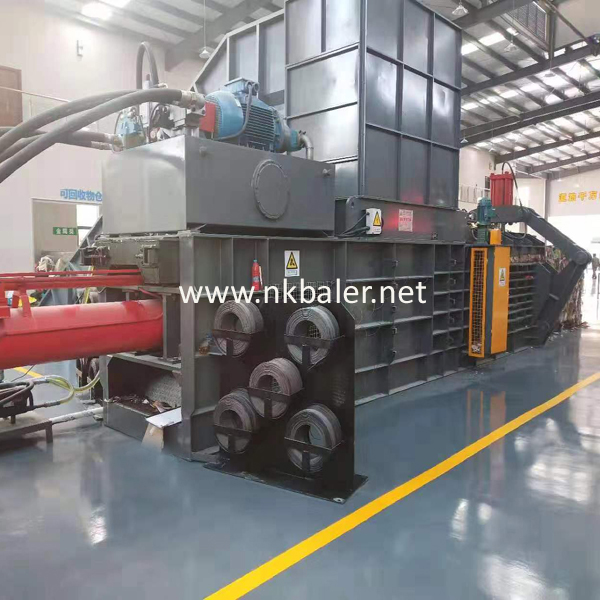
Hydraulic baling presses are equipment that utilize hydraulic transmission principles to compress various waste materials such as paper,plastics,and metals into shaped blocks.Adjusting the pressure of a hydraulic baling press is an important step to ensure its proper function and extend the machine's lifespan.Here are the steps and methods for adjusting the pressure of a hydraulic baler press:Preparation for AdjustmentCheck equipment status:Ensure the baling press is in an off state and has been disconnected from power.Confirm safety:Before beginning to adjust the pressure,operators should ensure their own safety and take necessary protective measures.Adjustment Process Adjust the pressure relay:The pressure adjustment of a hydraulic baling machine press is usually achieved by adjusting the pressure relay.Rotate the adjustment screw:First loosen the outer ring nut,then adjust the inner screw as needed,rotating clockwise to increase pressure and counterclockwise to decreaseit.Reattach and secure:After adjustment,the outer ring nut should be tightened again to ensure the correct positioning of the inner needle and inner screw.Technical Requirements Follow the manual:During adjustment,strictly adhere to the baling press's operating instructions and technical requirements.Gradual adjustment:It is not recommended to adjust the pressure significantly in one go; instead,gradually adjust to the desired pressure value.Safety PrecautionsDo not adjust while in motion:Never adjust the system working pressure while the baling press's actuators are moving.Check the pressure gauge:Always observe the pressure gauge during adjustment to ensure the pressure remains within normal range.Adjusting the Relief Valve Preparation before adjustment:Ensure the baling press has been started and the manual valve is in the correct position.Rotate the pressure adjustment handwheel:Turn the pressure adjustment handwheel in the direction required for the desired pressure,with left and right rotation used for increasing and decreasing pressure,respectively.Monitor the pressure gauge in real-time:During adjustment,continuously monitor the readings on the pressure gauge to ensure they stay within normal range.
Maintenance and InspectionCheck the pressure gauge:After adjustment,verify that the pressure gauge displays normally to avoid misadjustments due to gauge malfunction.Actuator movement:After adjusting the pressure,allow the baling press's actuators to move through their full stroke at low speed to observe the smoothness of the motion.Troubleshooting Address situations where the system has no pressure or insufficient pressure:If such issues occur,stop the machine and check for potential causes of failure,addressing them before continuing adjustment.Rated Pressure Range Do not exceed rated pressure:When adjusting,do not exceed the equipment's rated pressure value to avoid damaging the equipment.Additionally,to ensure the stable operation of the hydraulic baling press and the safety of the operators,the following points also need attention:Operators should thoroughly understand and master the operating procedures and safety precautions of the equipment before adjusting the pressure.Ensure both mechanical and electrical parts are safe and compliant before adjusting pressure.Regularly perform maintenance checks,paying attention to the cleanliness and level indication of the hydraulic oil.Avoid adjusting pressure while the equipment is under load to prevent mechanical damage or potential safety risks.
Email:info@nkbaler.com Nickbaler888@gmail.com
WhatsApp: 008615021631102