The market offers a wide variety of
plastic bottle baling machines, ranging from portable to stationary, and from semi-automatic to fully automatic, which can be overwhelming. A systematic comparison of different models helps users make the most suitable choice based on their specific needs. The comparison focuses primarily on structural design, level of automation, processing capacity, and application scenarios.
Structurally, balers are mainly divided into vertical and
horizontal plastic bottle baling machines. Vertical balers are typically compact, occupy little space, and have a low discharge port, making them suitable for locations with relatively small processing volumes and limited space, such as community recycling points, supermarkets, and schools. However, their hoppers are usually shallow, limiting the amount of material compressed per cycle. Horizontal balers are more common, with long and deep hoppers, horizontally moving compression heads, large single-cycle processing capacity, high-density bales, and various discharge directions (side discharge, front discharge, etc.). They are suitable for medium to large-sized recycling stations, baling centers, and recycling plants, but require a larger footprint and installation space.
The level of automation is another key differentiating factor. Manual/semi-automatic models rely on manual labor for steps such as feeding, threading, and bundling. They are cheaper and easier to maintain, but require a large workforce and have limited efficiency. Fully automatic models integrate automatic conveying, compression, bundling (even multi-head bundling), bag output, and counting functions. They require only a small number of personnel for monitoring, are extremely efficient, and have stable output. They are particularly suitable for large-scale enterprises with high throughput and a need for continuous operation, but their investment and maintenance costs are correspondingly higher. In addition, there are models designed for specific scenarios, such as balers with pre-crushing functions (which coarsely crush bottles before compression for higher density) or mobile containerized baling stations. Users need to comprehensively consider throughput, space, labor costs, investment budget, and future development plans to determine the optimal combination of models.
Nick Baler's
plastic bottle baling machines offer a highly efficient and economical solution for compressing various plastic waste materials, such as PET bottles, plastic film, HDPE containers, and shrink wrap. Ideal for waste management facilities, recycling centers, and plastic manufacturing plants, these balers can reduce plastic waste volume by more than 80%, significantly improving storage capacity and lowering transportation costs.
Available in manual, semi-automatic, and fully automatic models, Nick Baler's equipment accelerates waste processing, reduces labor requirements, and boosts productivity for businesses engaged in large-scale plastic recycling operations. By streamlining waste compaction, these balers help industries enhance sustainability while cutting operational expenses.
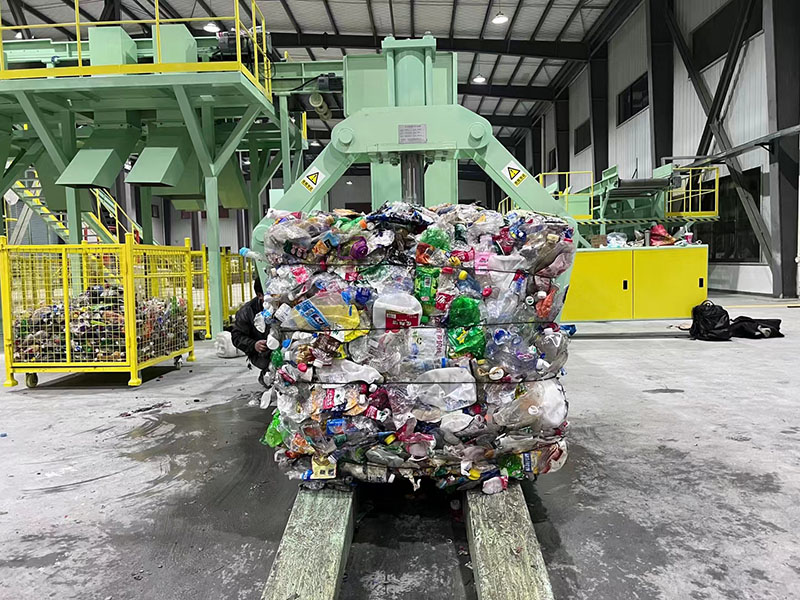
Why Choose Nick Baler's Plastic and PET Bottle Balers?
Reduces plastic waste by up to 80%, cutting storage and transportation costs.
Automatic and semi-automatic options, suited for small to high-production facilities.
Durable
hydraulic systems for high-pressure compression and long-term use.
Trusted by recycling centers, beverage manufacturers, and plastic processing plants.
Designed for PET, HDPE, LDPE, plastic film, and mixed plastic materials.
https://www.nkbaler.net
Email:Sales@nkbaler.com
WhatsApp:+86 15021631102