

Copyright®Shaanxi Nick Machinery Equipment Co.,LTD

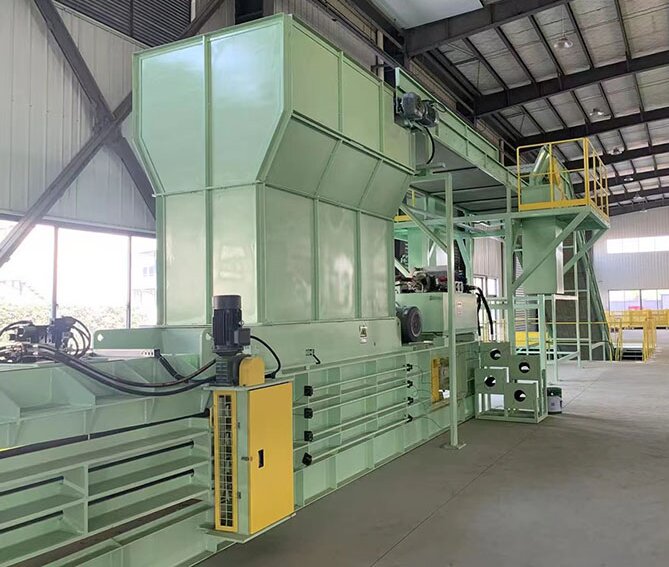


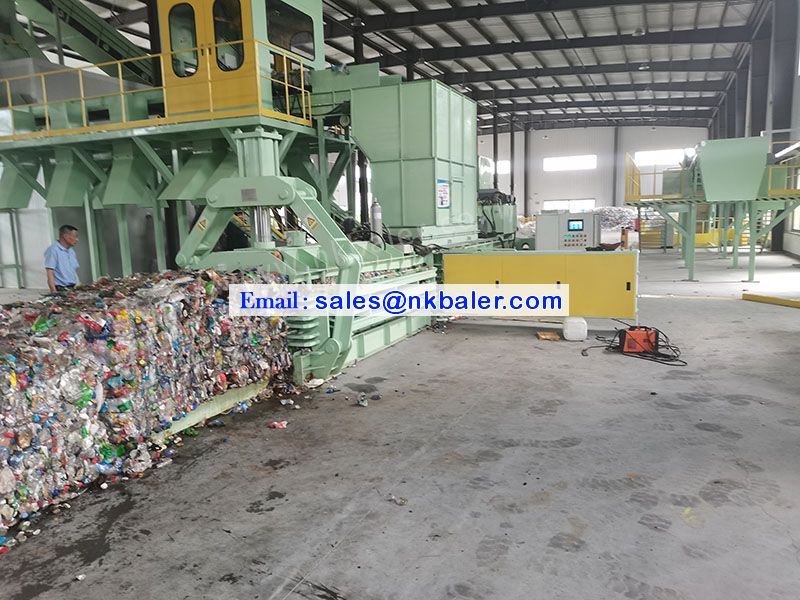
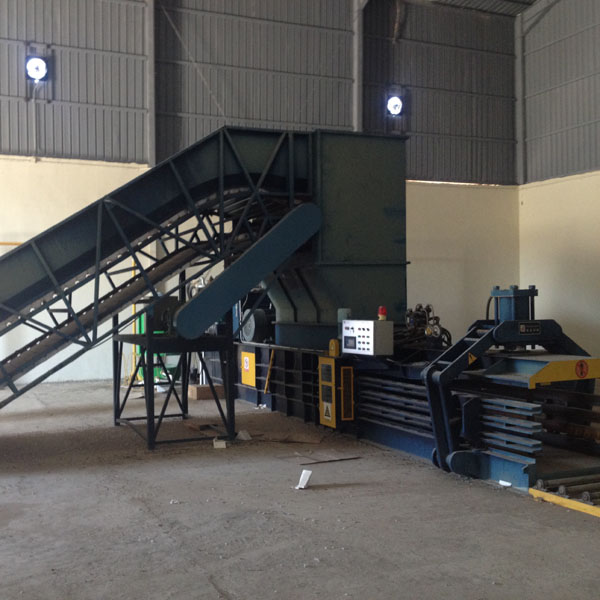
NKW180Q Automatic Tie Balers are machines designed to automatically gather, compress, and bind materials such as straw, hay, or other agricultural waste into compact, rectangular or cylindrical bales.
The process involves picking up the material, pressing it into a bale shape, and then securing it with twine or wire. The automatic feature of these machines allows for efficient operation with minimal manual labor, making them an essential tool for farmers and ranchers.
Automatic Tie Balers are agricultural machinery used to automate the process of creating rectangular or cylindrical bales from materials such as straw, hay, or other organic waste. These machines are crucial for farmers and ranchers who need to manage large quantities of fodder for their livestock or store organic waste efficiently.
The operation of an Automatic Tie Baler involves several key steps:
1. Pick-up: The baler has a pickup mechanism, typically consisting of a set of rotating tines, that gathers the loose material from the ground.
2. Compaction: The collected material is then moved into a chamber where it is compressed using a system of belts, rollers, or pistons to form a dense bale.
3. Tying: Once the bale has reached the desired density, it is automatically tied with twine or wire. Some balers have mechanisms to automatically thread the twine or wire, while others may require manual intervention.
4. Ejection: The completed bale is then ejected from the machine, either manually or with the help of an ejection system.
Automatic Tie Balers come in various sizes and configurations to suit different farming needs and scales. They can be mounted on tractors or be self-propelled, and some models are even equipped with advanced features such as automated bale tracking, which adjusts the baling process based on the size and shape of the bale being produced.
The benefits of using an Automatic Tie Baler include increased efficiency, reduced labor costs, and consistent bale quality. These machines also help to reduce the time spent on manual labor, allowing farmers to focus on other critical tasks. As a result, Automatic Tie Balers have become an indispensable tool for modern agricultural operations.
| Model | NKW180Q1 |
| Pressure(KN) | 1800KN |
| Cylinder size | ϕ300 |
| Bale size(MM)(W*H) | 1100*1100mm |
| Bale Weight(KG) | 1200-1500KG |
| Capability(T/H) | 22-25T/H |
| Material density(KG/m^3) | 500-550KG/m^3 |
| Bale line | 5line |
| Strapping way | Automatic |
| Power(KW) | 37.5KW*2+15KW |
| Feeding device | conveyor |
| Conveyor size(MM)(L*W) | 13000*2000mm |
| Machine weight(T) | 28T |









Leave Your Message